Common Packing Mistakes That Damage Belongings
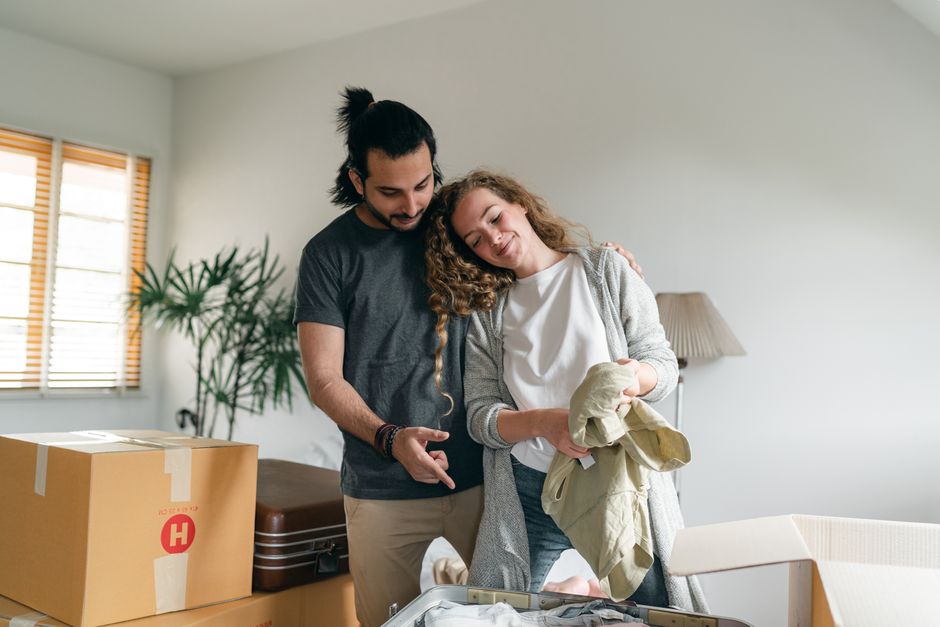
Moving house or relocating a business can feel manageable right up until the boxes start piling up. Then the panic kicks in. Glasses go in with mugs, books get stacked too high, cable boxes disappear, and suddenly a "simple" move turns into a week of broken items, dents, and that awful moment when you hear something fragile shift in the back of the van.
The truth is, common packing mistakes that damage belongings are usually not dramatic. They're small, avoidable errors: using the wrong box, leaving too much empty space, overloading the bottom layer, or wrapping things in whatever paper is nearby. It sounds harmless. It isn't. This guide breaks down the mistakes that cause real damage, explains why they happen, and shows you how to pack in a way that protects your things properly, whether you are moving a flat, a family home, or an office.
If you want a smoother move, fewer breakages, and a lot less stress on moving day, you're in the right place. Let's get into the practical stuff.
Why Common Packing Mistakes That Damage Belongings Matters
Packing is not just about getting items into boxes. It is about controlling movement, pressure, temperature changes, and handling. When those things are ignored, damage tends to happen in ways people do not notice until it is too late. A box that looks neat may still contain crushed corners, scratched surfaces, or crockery that chipped itself against the side because there was too much empty space inside.
That matters for a few reasons. First, broken belongings cost money. Sometimes the value is obvious, like a smashed TV or a cracked table lamp. Sometimes it is the cumulative irritation of smaller things: toiletries spilled over clothing, a picture frame damaged by poor wrapping, or a drawer front scuffed by loose hardware. Second, damage adds time. You end up repacking, replacing, cleaning, and arguing over what happened. Nobody wants that at 8:30 on a wet Tuesday morning with the kettle still unplugged.
There is also the emotional side. Some items cannot be replaced easily. Family photos, heirlooms, paperwork, children's keepsakes, and work equipment often carry more weight than their price tag suggests. In our experience, the items people regret losing are rarely the obvious valuables. It is usually the ordinary thing they assumed would be fine.
To be fair, packing mistakes are often made because people are rushing. Moves compress everything into one hectic period, and the temptation is to "just get it done." That shortcut usually costs more later. Good packing is an insurance policy of sorts, except it is the one you can actually control.
How Common Packing Mistakes That Damage Belongings Works
Most packing damage follows a simple pattern: an item is not supported, not cushioned, not separated, or not clearly labelled. During transit, boxes shift, tilt, get stacked, and absorb vibration. Even a short journey can jostle things enough to cause trouble if the packing is weak.
Here is how the damage usually develops:
- Impact damage: Items hit each other or the sides of the box when the vehicle brakes, turns, or hits a bump.
- Compression damage: Heavy items crush lighter ones because they are packed together or stacked poorly.
- Friction damage: Surfaces rub against each other and get scratched, worn, or scuffed.
- Moisture damage: Poorly sealed boxes let in damp air, leaks, or condensation, especially with paper, fabric, or electronics.
- Handling damage: Boxes become awkward to lift, split at the bottom, or drop because they are overfilled or badly balanced.
Think of a moving box as a small container that has to survive a lot of movement. A box that is packed tightly but intelligently can protect surprisingly well. A box that is packed loosely, with no structure, often behaves like a little warehouse of chaos. Not ideal.
There is another layer too: human behaviour. If a box looks weak, handlers may pick it up differently. If it is not labelled fragile or heavy, it may end up under something it should never support. That is why packing is both a material problem and a communication problem. The box has to protect the contents and tell the next person how to treat it.
Key Benefits and Practical Advantages
Packing properly gives you more than fewer breakages. It makes the whole move calmer and more predictable. Once you understand that, the effort starts to feel worthwhile rather than annoying admin before the real move begins.
- Better protection: Items stay separated, supported, and less likely to shift around.
- Faster unpacking: Boxes are grouped logically and labelled clearly, so rooms can be set up sooner.
- Lower replacement costs: You reduce the odds of having to buy replacements for damaged items.
- Less physical strain: Balanced boxes are easier and safer to carry.
- Improved space use: Proper packing helps you fit more safely into the van or truck without squashing items.
- Less post-move stress: You are not opening box after box to find broken glass and loose screws. Been there, and it is grim.
There is also a practical advantage that gets overlooked: good packing helps anyone helping you. Whether you are using a man and van service or coordinating a larger move, neatly packed items are simply easier to transport. They load better, stack better, and create fewer surprises in transit.
For home moves, that can be the difference between a day that feels controlled and a day that feels like boxes are slowly winning the argument.
Who This Is For and When It Makes Sense
This advice is useful for almost anyone moving belongings, but some people really need it more than others.
Home movers
If you are moving from a flat, house, or shared property, you probably have a mixed load of fragile, bulky, and sentimental items. That mix is where mistakes happen. Kitchenware gets overpacked. Soft furnishings get squashed. Mirrors get forgotten until the very last minute.
Home movers can also benefit from services such as home moves support or house removalists if the move is larger or physically demanding.
Businesses and office teams
Office relocations are full of hidden packing risks: monitors, printers, files, chargers, IT kit, and personal items from desks. One badly packed laptop box can cause more disruption than five ordinary boxes. If that sounds familiar, it is worth looking at office relocation services and planning the packing phase separately rather than treating it as a last-minute task.
People moving awkward or valuable items
Artwork, glass tables, antiques, electronics, and musical instruments all need special handling. The same goes for furniture pieces with detachable legs, drawers, or fittings. If you are only moving one item and it still needs care, furniture pick up can be a sensible option for managing it properly instead of forcing it into a random box-and-tape solution.
Anyone on a tight timeline
Ironically, people who are rushed most often make the worst packing mistakes. When time is short, they use too few materials, skip labelling, and throw mixed items together. If that is your situation, do not panic. Prioritise the fragile and high-value items first, then move outward. That alone reduces a lot of risk.
Step-by-Step Guidance
Here is a practical method you can follow without turning the move into a full weekend project. It is simple, but it works.
- Sort by fragility and weight. Put heavy, solid items together. Keep delicate items in their own group. Do not mix the two unless there is a strong reason.
- Choose the right box size. Small boxes are usually best for heavy items like books, cutlery, and tools. Larger boxes suit lighter but bulkier items such as cushions, bedding, and lampshades.
- Line the base. Use scrunched paper, bubble wrap, towels, or another soft layer to absorb movement. The bottom of the box needs shock absorption, not just somewhere for items to sit.
- Wrap each item individually when needed. Glasses, plates, ornaments, and ceramics should not touch directly unless they are separated by padding.
- Fill gaps. Empty space lets items slide and collide. Fill voids with packing paper or soft material so the contents stay snug.
- Keep weight balanced. Heavier items belong at the bottom, lighter items above. But do not crush the light items by overloading the base.
- Seal securely. Use proper packing tape on the seams and bottom flaps. A box that opens in a hallway is nobody's friend.
- Label clearly. Write the room, contents, and any special handling note on the box. "Fragile" helps, but "This side up" and "Top load only" can be even more useful where relevant.
- Test the box before sealing. Gently lift it and shift it a little. If something rattles, the packing needs another round.
- Keep essentials separate. Prepare one box or bag for overnight needs, documents, chargers, medication, and anything you do not want to hunt for later.
If you are packing for a larger relocation, especially one involving a vehicle hire or professional loading, it can help to pair your own packing with packing and unpacking services. That way, the most awkward items are handled consistently rather than in a rush at the end of the day.
A small but important note: do not wait until boxes are full to check whether your method is working. The first two or three boxes usually tell you if your materials or layout need adjusting. Catch it early, and the rest becomes easier.
Expert Tips for Better Results
Some packing advice sounds obvious until you are the person dealing with a chipped mug or a cracked picture frame. These tips come from the sort of practical details that save trouble later.
Use the right material for the right job
Paper is good for filling gaps and wrapping many items, but it is not ideal for everything. Glass and ceramics often need a combination of paper plus sturdier padding. Soft furnishings can protect a box, but they should not be the only barrier around delicate items.
Don't overdo tape on the wrong places
Taping a box into oblivion does not make it stronger if the base is weak. Reinforce the seams properly, yes, but focus on structure, not just sticky enthusiasm. We have all seen the over-taped box that still falls apart at the bottom. A classic.
Pack room by room, not item by item
This makes unpacking faster and reduces accidental mixing. You will notice it most with kitchens and home offices, where random mixed boxes become a mess very quickly.
Take photos of tricky assemblies
Before removing shelves, lamp parts, desk cables, or drawer contents, take a few photos on your phone. It is a tiny thing, but it saves time and avoids the "how did this go together again?" moment later.
Protect corners and edges first
Damage often begins at the corners. Mirror edges, tabletop corners, and picture frames are particularly vulnerable. If you only have enough padding for one extra layer, use it there.
Leave a little breathing room for soft items
Not every box needs to be packed like a puzzle. Bedding and cushions can act as useful fillers, but if you compress them too tightly they lose their protective value. A bit of give is fine.
One more thing: pack the items you would be most upset about losing first, not last. That sounds simple, but in the rush of a move people often do the opposite. Funny how that happens.
Common Mistakes to Avoid
Here are the mistakes that cause the most damage, and why they matter.
Using oversized boxes for heavy items
A large box filled with books becomes difficult to lift and far more likely to split. It also encourages the person carrying it to swing it awkwardly, which is exactly how things get dropped. Small to medium boxes are safer for dense loads.
Mixing fragile and non-fragile items
A mug packed with a frying pan and a bottle of shampoo is a bad idea. The heavy item presses into the fragile one, and any spill creates another problem. Keep categories separate when you can.
Leaving too much empty space
Void space is one of the biggest hidden causes of damage. The box may look neat, but inside, the contents are moving around like marbles in a biscuit tin. Fill the gaps.
Packing items that are still damp
Anything with moisture can damage paper, textiles, cardboard, and some electronics packaging. Even a slightly damp towel in a sealed box can cause trouble over time.
Not removing drawers, lids, or loose parts
A table drawer left half open can break the box or damage itself. Loose parts should be removed, bagged, and labelled where possible. Keep screws and fittings together. Your future self will be very grateful.
Ignoring weight distribution
Heavy objects should not sit awkwardly on one side of a box. Unbalanced boxes tip, sag, and create stress on seams and handles. The carry becomes unstable before anyone notices why.
Skipping labels
People assume they will remember what is inside each box. They won't. Or not all of it, anyway. Labels save time and reduce rough handling because the box's purpose is clear.
Using poor-quality or reused materials in bad condition
A tape gun with weak adhesive, thin cardboard, or crushed reused boxes can fail under pressure. Reusing materials is fine if they are still sound. If they wobble when empty, they are not ready for the job.
Overfilling boxes
This usually happens when people try to "finish" one box before starting the next. The result is bulging sides, poor sealing, and awkward lifting. Stop when the box is full enough, not when it is impossible.
One quiet rule of thumb: if a box feels slightly heavier than you expected, stop and rethink it. That pause can save a broken item or a strained back. Both, ideally.
Tools, Resources and Recommendations
You do not need a mountain of specialist kit, but the right basics make a huge difference.
- Strong cardboard boxes: Choose clean, dry boxes in sensible sizes. Variety helps.
- Packing tape: Use proper sealing tape rather than whatever old roll has been sitting in the drawer since last summer.
- Packing paper: Good for wrapping, cushioning, and filling gaps.
- Bubble wrap or padded wrap: Best for extra protection around very fragile items, but do not rely on it alone.
- Marker pens and labels: Clear labelling makes unpacking far easier.
- Scissors or a tape dispenser: Small time-savers, but they matter when you are sealing twenty boxes in a row.
- Furniture blankets and covers: Useful for larger items, especially when loading into a van or truck.
If you are looking at a larger move, pairing your packing plan with the right vehicle can also reduce damage. A suitable moving truck or removal truck hire arrangement gives you more control over stacking and space, especially for bulky furniture or commercial equipment.
Some people also forget the practical value of planning the order in which things are loaded. The boxes you pack well can still be damaged if they are squeezed under heavy, badly arranged items. A good vehicle and a thoughtful load plan work together.
If cost is part of the decision, it helps to compare options early rather than after you have bought the wrong materials three times. You can also review pricing and quotes when you are figuring out what level of support makes sense for your move.
Law, Compliance, Standards, or Best Practice
For most household moves, packing is not about a complex legal process. Still, there are some sensible standards and expectations worth keeping in mind.
In the UK, a moving company or packing provider should be clear about how belongings are handled, what level of care is offered, and how claims or complaints are dealt with if something goes wrong. That does not mean every provider offers the same cover or service level, so read terms carefully. A little boring? Yes. Necessary? Also yes.
Good practice usually includes:
- using suitable packing materials for fragile, heavy, or high-value items;
- labelling boxes clearly to reduce handling mistakes;
- storing and transporting items in a safe, stable way;
- keeping pathways clear during loading and unloading;
- being honest about items that need special treatment or extra cover.
For business moves, there is often an added responsibility to protect records, IT equipment, and workplace safety. If your move involves staff, shared premises, or heavier equipment, it is sensible to think in terms of best practice rather than minimum effort. The aim is not just to move objects. It is to move them without creating avoidable risk.
It is also worth checking a provider's safety and insurance information before the move begins. If you want to understand how a company approaches these issues, you can review their insurance and safety information and see whether the service aligns with your expectations.
And if you care about how materials are handled afterwards, sustainability matters too. Reusing clean boxes and recycling packaging responsibly is a small but useful habit. You can read more about recycling and sustainability if that is part of your decision-making.
Options, Methods, or Comparison Table
Not every packing method is suitable for every item. Here is a simple comparison that helps you decide how to approach different belongings.
| Item type | Best packing method | Common mistake | Risk if packed badly |
|---|---|---|---|
| Books and paperwork | Small sturdy boxes, tight base support | Large box stuffed too full | Broken box, back strain, crushed edges |
| Glassware and crockery | Individual wrapping with gap filling | Items touching directly | Chipping, cracking, surface damage |
| Electronics | Original packaging or well-padded boxes | Loose cables and no cushioning | Internal movement, impact damage |
| Clothing and bedding | Clean boxes or bags with light compression | Mixing with heavy goods | Squashing, dirt transfer, damp damage |
| Furniture parts | Bag fittings, wrap corners, label clearly | Leaving screws loose in the box | Scratches, lost parts, reassembly issues |
The best method is rarely the fanciest one. It is usually the one that matches the item and the journey. A short van move with a few boxes is not the same as a full-day house relocation, and the packing strategy should reflect that. If you need help handling a mix of household contents, a man with van arrangement can work well for smaller loads, while bigger moves may justify a more structured approach.
Case Study or Real-World Example
Here is a realistic example from a typical home move. A family packed their kitchen in a hurry the night before moving day. The mugs were wrapped, but they were packed loosely into a large box with no filler. At the bottom of the box, they placed tins, which seemed sensible at the time. The box felt full, so they taped it shut and moved on.
By the time the box reached the new property, three mugs had chipped rims, one bowl had a crack running through the glaze, and the box had started to sag at the base. Nothing catastrophic, but enough to be annoying and avoidable. The problem was not bad luck. It was a combination of too much empty space, poor weight distribution, and mixing hard items with fragile ones.
On the next part of the move, they changed the method. Small boxes were used for heavier kitchen items. Plates were packed vertically with padding between them. Glasses were grouped separately. Loose tea towels were used only as support, not as the main protection. The result? No further breakages. That is often how it goes. One bad box teaches you more than ten instructions.
In larger jobs, especially when furniture and appliances are involved, these packing decisions matter even more. If the contents are going into a hired vehicle, proper packing reduces shifting and makes the whole load behave better. It sounds simple because it is simple, but simple does not mean easy under pressure.
Practical Checklist
Use this checklist before sealing each box. It is quick, and honestly it saves a lot of irritation later.
- Have I matched the box size to the weight of the contents?
- Are fragile items individually wrapped and separated?
- Have I filled empty spaces so items cannot move around?
- Is the weight balanced across the box?
- Are the bottom flaps taped securely?
- Have I avoided mixing heavy and delicate items?
- Are any items damp, dirty, or still leaking?
- Have I labelled the box with room and contents?
- Did I note any fragile or upright-only instructions?
- Have I packed an essentials box separately?
Quick expert check: If you can shake the box gently and hear movement, it probably needs more cushioning. If it feels too heavy to lift comfortably, it probably needs splitting into two boxes. Simple test. Useful result.
Conclusion
Most damage during a move is not caused by one dramatic incident. It usually comes from small packing decisions that snowball: the wrong box, too much space, too much weight, or not enough protection. Once you know where the weak points are, you can pack in a way that feels calmer and far more controlled.
The good news is that avoiding common packing mistakes that damage belongings does not require specialist knowledge. It just takes care, planning, and a willingness to slow down at the right moments. That bit of extra effort pays for itself quickly when you open the first box at the other end and everything is still exactly as it should be.
If your move is getting close, trust the basics, pack with intention, and give yourself a little breathing room. You do not need perfection. You just need a method that protects what matters.
Get a free quote today and see how much you can save.
Frequently Asked Questions
What are the most common packing mistakes that damage belongings?
The biggest mistakes are using the wrong box size, leaving empty space, mixing fragile and heavy items, overloading boxes, and forgetting to label them clearly. Those errors cause most of the preventable damage people see after a move.
How do I stop fragile items from breaking in boxes?
Wrap fragile items individually, separate them with cushioning, keep them upright where needed, and fill all gaps so they cannot shift. A snug box is usually safer than a loosely packed one.
Is it better to use big boxes or small boxes?
It depends on the contents. Small boxes are usually better for heavy things like books or tools. Bigger boxes are fine for light, bulky items like bedding. Using a large box for heavy items is one of the fastest ways to cause damage.
Should I use newspaper for packing?
Newspaper can work for some non-delicate items, but it is not the best choice for everything because it can mark surfaces and is not as protective as proper packing paper. For fragile belongings, use materials that give more reliable cushioning.
How do I pack electronics safely?
Use original packaging if you still have it. If not, pack electronics in a sturdy box with enough padding on all sides, remove loose cables, and avoid letting screens press directly against hard surfaces. Keep them dry and secure.
What should I pack first when moving house?
Start with non-essential items such as spare clothing, books, decorations, and seasonal belongings. Leave daily-use items and essentials until last so you do not make the final day harder than it needs to be.
Can poor packing affect moving costs?
Yes, indirectly. Poor packing can lead to delays, more handling time, extra materials, and damaged items that need replacing. If you are arranging help, proper packing also makes loading and transport more efficient.
Do professional packers really make a difference?
They can, especially for fragile, bulky, or high-value items. A professional approach usually means better material choice, better weight distribution, and fewer last-minute decisions made under pressure.
How far in advance should I start packing?
As early as you reasonably can. A gradual pack is usually safer than a frantic one. Starting a week or two ahead for non-essentials gives you time to spot problems and repack anything that needs it.
What is the safest way to pack plates and glasses?
Wrap each piece separately, use cushioning between items, and keep plates in a vertical position where appropriate. Glasses should be supported so they do not knock together during transit.
Should I write fragile on every box?
Only where it is true. Overusing fragile labels can make them less useful. It is better to label carefully and clearly, with notes like "fragile," "top load only," or "this side up" only when they genuinely apply.
When should I consider help with packing?
If you have many fragile items, limited time, mobility concerns, or a large home or office move, help can be worth it. It reduces mistakes and can save a lot of stress, which, let's be honest, is often the real goal.
Move carefully, trust your judgment, and remember: the best packing is the kind that keeps the day calm enough to breathe. That matters more than people think.