Step by step guide to loading a leasehold stair access for removals
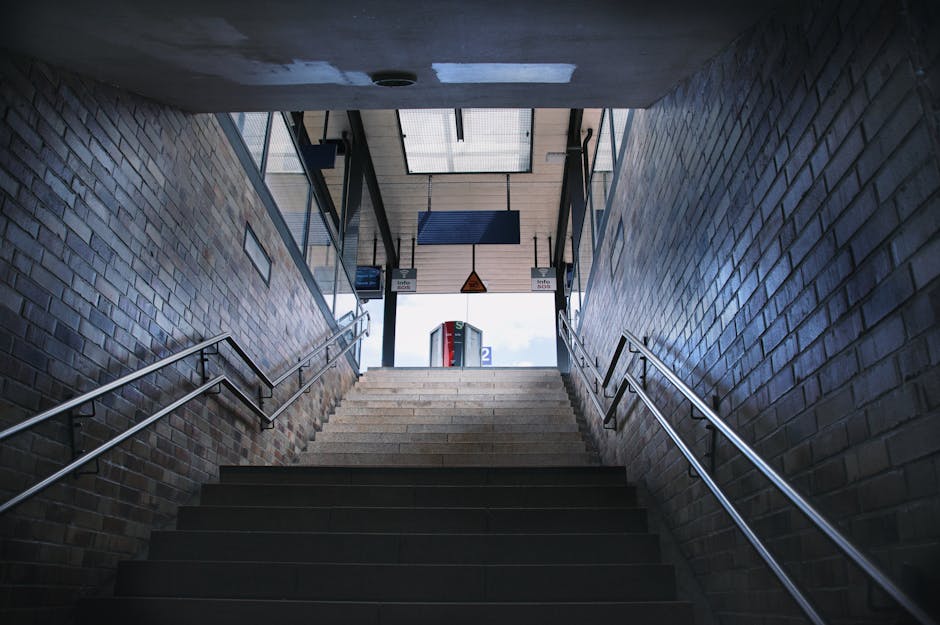
Moving out of a leasehold flat with stair access sounds straightforward until you are standing in a narrow communal hallway with a wardrobe that looks one inch too wide and a landlord, managing agent, or neighbour waiting for the lift that never seems to come. This step by step guide to loading a leasehold stair access for removals breaks the process down clearly, so you can plan the loading, protect the building, and avoid the kind of last-minute stress that turns moving day into a small disaster. If you are dealing with a top-floor flat, a shared stairwell, or a building with tight access, the details matter. A lot.
In practice, the key is not just "getting things out." It is sequencing the move correctly: checking lease rules, measuring the route, protecting walls and banisters, loading in the right order, and keeping everybody safe while you work around stairs, doors, and maybe a very curious neighbour or two. Let's get into the nuts and bolts.
Why Step by step guide to loading a leasehold stair access for removals Matters
Leasehold properties often come with shared access, building rules, and a lot of practical constraints that freehold house moves simply do not have. Stair access can mean tighter turning points, more foot traffic, shared landings, and a higher chance of damage if you rush. If you are moving through a communal stairwell, the loading phase is where most avoidable problems start.
Why does that matter so much? Because a removals job is not only about physical lifting. It is also about managing risk, preserving the building, and respecting lease obligations. In many buildings, the lease or managing agent expects residents to avoid obstruction, reduce noise, and prevent damage to common parts. That is not just "nice to have"; it affects how smoothly the move goes.
There is also the simple human side. A carefully loaded stair access move usually means fewer returns upstairs, fewer pauses to re-plan, and less heavy breathing on the landing at 8:00 in the morning. Truth be told, a lot of the chaos people fear can be avoided with a bit of structure.
Expert summary: The safest leasehold stair access removals are rarely the fastest at the start. They are the ones that are planned calmly, measured properly, and loaded in a sequence that protects both people and property.
If you are booking a service for the move itself, it can help to understand the difference between a full home move and a more flexible man and van arrangement. The right choice depends on volume, access, and how much lifting the stair route will involve.
How Step by step guide to loading a leasehold stair access for removals Works
Think of stair access loading as a controlled handoff between the flat, the stairs, and the vehicle outside. The removals team or household moves items from rooms to the stairwell, then down to the ground floor, then into the vehicle in a planned order. That sounds simple, but the route itself shapes every decision.
Here is the basic flow. First, you assess the property and staircase. Next, you decide what needs dismantling, wrapping, or carrying in pairs. Then you create a loading order: large items first if access is clear, or staged items first if the stairs are tight and you need space to manoeuvre. After that comes protection, lifting technique, and vehicle loading in a way that keeps heavier items secure and lighter items safe from crushing.
The leasehold part matters because you are often working in shared space. The route may include communal hallways, fire doors, stair rails, and entrance paths that need to remain usable. In some buildings, there may be time windows for moves or expectations about lift use, parking, and floor protection. If you do not check those things early, the move can stall before the first box even leaves the flat.
A good moving team will usually treat stair access removals like a mini logistics plan. Not glamorous, but effective. And that is exactly what you want on moving day.
Key Benefits and Practical Advantages
Loading a leasehold stair access properly does more than reduce hassle. It gives you a measurable edge in time, safety, and damage prevention. Here are the big wins.
- Less risk of damage: Walls, corners, banisters, stair nosings, and door frames are better protected when the route is mapped before the first item moves.
- Better control of heavy items: Sofas, white goods, mattresses, and wardrobes can be handled in a safer order, which reduces awkward carrying on the stairs.
- Fewer delays: If access is planned properly, you are less likely to stop halfway through to measure, re-wrap, or re-think the route.
- Cleaner handover to the vehicle: The loading sequence can be matched to the van or truck space, so you are not playing Tetris with a fridge and a lamp at the kerbside.
- More cooperative building relationships: Neighbours and managing agents are much happier when you keep the communal areas tidy and unobstructed.
There is also a commercial upside if you are moving a flat used partly for work, or relocating small business equipment. A well-managed stair access move can keep a job on schedule and prevent avoidable overtime. For mixed-use or office-type moves, it is worth looking at commercial moves or office relocation services if your inventory is a bit more involved.
Who This Is For and When It Makes Sense
This guide is especially useful if you live in a leasehold flat, maisonette, or converted building where the main route out is via stairs rather than a ground-floor exit. It also applies if the building has an awkward entrance, a shared stairwell, or a layout that makes large-item movement awkward even before you reach the street.
It makes sense for:
- leaseholders moving out of upper-floor flats
- tenants in leasehold buildings who still need to follow access rules
- students or young professionals in converted houses with narrow stairs
- families moving furniture from upper floors
- small business owners relocating equipment from a residential leasehold unit
- anyone using a man with van or van-and-loader setup where access needs careful planning
If you are only moving a few bulky items, a smaller service can be a practical fit. For example, furniture-only jobs often work best when the route has been checked in advance and the largest pieces are dismantled before collection. If that sounds like your move, have a look at furniture pick-up.
Step-by-Step Guidance
1. Check the lease and building rules first
Before you lift a single box, check whether the lease or managing agent sets conditions on moving times, access routes, parking, lift use, or protection of common parts. In many buildings, the rules are simple but important: keep fire exits clear, avoid blocking stairwells, and clean up after the move. If you are not sure, ask early. It takes five minutes and can save an awkward email later.
2. Measure the stair route and landing spaces
Measure the width of the stairs, the turning space on landings, the head height under any overhangs, and the width of the front door. Pay attention to corners. A wardrobe that fits in the room may still catch on the banister. This is where a tape measure earns its keep. Old buildings are especially sneaky about this, and Victorian staircases can feel oddly narrow once you are holding a mattress at shoulder height.
3. Decide what needs dismantling
Large furniture should be dismantled where practical. Bed frames, table legs, shelving, and modular wardrobes are all easier to move in sections. Keep screws, bolts, and brackets in clearly labelled bags. Not glamorous, but very useful at the other end. If a piece cannot be dismantled, wrap it properly and assign enough people to carry it without twisting on the stairs.
4. Clear the route inside the flat
Before loading begins, create a clean path from each room to the stairwell. Remove loose rugs, shoes, bins, and anything that could be caught by a boot or furniture dolly. The fewer trip hazards, the better. You want the team walking, not dodging. In a leasehold flat, that also helps reduce scuffs on flooring and door thresholds.
5. Protect the stairwell and communal areas
Use floor runners, blankets, cardboard, or protective coverings where needed. Cover vulnerable corners and brace anything likely to be knocked. If the building has painted walls that show every mark, treat them with a bit of respect. A small bump can leave a surprisingly visible trace, and nobody wants that conversation with the managing agent on a Tuesday afternoon.
6. Load the heaviest, most stable items in the right order
As a general rule, load heavy and dense items first into the vehicle, then stack lighter and more fragile items around and above them where safe. That includes appliances, chests of drawers, and boxed books. Place the weight so it does not shift in transit. The aim is stable, not heroic. There is no prize for "most chaotic van interior."
7. Work item by item through the stairs
Keep the movement steady and coordinated. One person leads from the top, another supports from below if the item is large. Communicate clearly before turning corners or stepping down a landing. Short calls work best: "steady," "stop," "turn left," "down now." Simple words, less confusion.
8. Keep the communal route clear between loads
Do not leave items sitting on the stairs while you go back for more unless absolutely necessary. It can block neighbours and create a hazard. If a short staging point is needed, use a safe, agreed area rather than a narrow landing. This is one of those quiet things that separates an organised move from a stressful one.
9. Load the van or truck with destination in mind
If you know which items need to come off first at the destination, load them last or keep them near the rear for easier unloading. This is especially useful when the delivery property has its own stair access. If you are hiring a larger vehicle, a moving truck or removal truck hire option may make better sense than a smaller van.
10. Finish with a damage check and a tidy-up
Once everything is out, walk the route again. Check the stairs, doors, corners, and hallway for marks or debris. Pick up tape, straps, plastic, and wrapper scraps. That tidy ending matters. It is the difference between "move completed" and "move completed, but a bit of a mess."
Expert Tips for Better Results
A few small decisions can make a surprisingly big difference.
- Use two people for awkward items. Even if a piece looks manageable, stair geometry can change quickly at the turn of a landing.
- Wrap before you move, not after. Waiting until you are on the stairs is just asking for scratched paint or trapped fingers.
- Label by room and priority. "Kitchen first," "bedroom last," or "essentials box" saves time when unloading.
- Take one minute to breathe before the heavy stuff. Sounds obvious, but you will notice the whole team moves more smoothly after a short reset.
- Use the stairwell like a narrow work zone. Only the people needed for that lift should be in the route. Everyone else waits clear.
- Keep a small tools pouch handy. Screwdrivers, Allen keys, tape, and scissors are the difference between progress and faffing.
One practical observation from real moves: the first bulky item often takes the longest because people are still figuring out the building. By the third or fourth item, the route usually flows much better. So do not panic if the start feels slow. It often settles.
If you want help with the actual packing side, especially where rooms are tight and access is awkward, packing and unpacking services can take a lot of pressure off the day.
Common Mistakes to Avoid
Most stair-access problems are preventable. Here are the usual culprits.
- Skipping measurements: Guessing the turning radius on a stairwell is a bad game to play.
- Ignoring lease or building rules: If the managing agent has given conditions, follow them. It keeps the move calm and reduces disputes.
- Overloading one person: Heavy items on stairs need proper support. It is not a badge of honour to wobble through it alone.
- Not protecting the route: A bit of floor covering is cheaper than repairing scuffed walls or marked bannisters.
- Leaving everything until the morning of the move: That is how small issues become big ones.
- Loading the van without a plan: Random loading leads to unstable transit and a worse unloading sequence later.
There is also a quieter mistake: assuming all stair access is the same. It is not. A straight staircase in a modern block is very different from a winding communal stair in a converted terrace. The strategy changes. So should the crew count and equipment.
Tools, Resources and Recommendations
You do not need specialist machinery for every leasehold stair move, but the right basics make the job much safer and quicker.
| Tool / Item | Why it helps | Best use |
|---|---|---|
| Furniture blankets | Protects surfaces from scuffs and knocks | Tables, wardrobes, appliances, door frames |
| Ratchet straps | Keeps loads secure in transit | Large boxes, heavy furniture, stacked items |
| Gloves with grip | Improves hold on smooth or bulky items | Mattresses, flat-pack pieces, white goods |
| Dolly or sack truck | Reduces carrying strain where stairs and landings allow | Boxes, smaller appliances, short flat routes |
| Cardboard or floor runners | Protects communal floors and stair edges | Entrance hallways and shared stairwells |
| Tool kit | Speeds up dismantling and reassembly | Bed frames, shelving, fixtures |
If you are comparing move sizes or want a vehicle that matches your access and volume, it is worth reviewing pricing and quotes before you book. Clear access details usually lead to a more accurate estimate, which is always better than guessing.
For household moves with more furniture and a fuller inventory, a dedicated house removalists service may be more suitable than a minimal setup. If you only need a smaller, flexible arrangement, a man with van option can still work well, provided the stair route is manageable.
Law, Compliance, Standards, or Best Practice
Leasehold stair access removals sit in a practical grey area: they are not usually complex legal projects, but they do touch on building rules, safety duties, and reasonable behaviour in shared spaces. That means you should treat the access route with care and common sense.
In the UK, the exact lease terms and managing-agent instructions can vary from building to building. Common expectations often include:
- keeping communal stairwells and entrances clear
- avoiding damage to shared property
- not blocking fire routes or exits
- following agreed move times or booking windows
- using safe manual handling practices
Best practice also means thinking about risk. Heavy lifts on stairs should not be rushed, especially where visibility is poor or the landing is tight. If the route is cramped, reduce load size and increase the number of trips rather than trying to force oversized items through. That is not weak planning; that is sensible planning.
Insurance and safety matter too. If you are using a removals provider, check what level of cover and operational care is offered, and ask how damaged items or building surfaces are handled. A good provider should be clear and practical about this. You can also review a company's insurance and safety information and its health and safety policy if you want a clearer picture of how they work.
Options, Methods, or Comparison Table
There is no single best way to load a leasehold stair access move. The right method depends on the size of the property, the stairs, and how much furniture you have.
| Method | Best for | Strengths | Limitations |
|---|---|---|---|
| Full-service removals | Large flat moves with many items | Less effort for you, better coordination | Usually higher cost and more scheduling needed |
| Man and van | Smaller to medium moves | Flexible, often more economical | May need more of your own prep |
| Truck hire with loading help | Bulky or mixed furniture jobs | Good for bigger loads and efficient transit | Access details must be very clear |
| Item-by-item furniture removal | Single items or partial moves | Simple and targeted | Not ideal for full household contents |
For many leasehold stair access moves, the deciding factor is not just the number of boxes. It is the awkward stuff: the sofa that bends badly, the bed base that will not turn, the filing cabinet that sounds heavier than it looks. That is where a more suitable vehicle or setup can save a lot of bother. If you are leaning that way, man with van and removal truck hire are both worth comparing against your access needs.
Case Study or Real-World Example
A typical leasehold stair access move might look like this: a second-floor flat in a converted Victorian building, one narrow staircase, one sharp turn on the first landing, and a shared entrance door that swings in an annoying direction. The resident has a double bed, a sofa, four book boxes, a desk, and a fridge-freezer. Not outrageous, but enough to need a plan.
In that kind of move, the team usually starts by dismantling the bed and removing the legs from the desk. The sofa is wrapped before it is moved, because the stair corner is tight. The fridge-freezer goes first only if the route is clear and the ground-floor door can be held safely. Otherwise it waits until the stairwell is free. Boxes are grouped by weight, with books kept low and light bedding on top. The team moves one item at a time, pausing at the landing only long enough to reset grip and angle.
What makes the difference is not speed. It is rhythm. The move feels controlled, the landing stays clear, and the building is left tidy. A neighbour might even nod rather than sigh, which is always a nice sign. And yes, that happens more often than people expect when a job is handled properly.
Practical Checklist
Use this quick checklist before loading begins:
- Read the lease or building move rules
- Confirm stair access, parking, and any time restrictions
- Measure stairs, landings, and door widths
- Dismantle large furniture where possible
- Label boxes by room and fragility
- Clear rugs, cords, and trip hazards
- Protect floors, banisters, and corners
- Prepare straps, gloves, blankets, and tools
- Plan the loading order for the vehicle
- Keep communal areas clear during the move
- Do a final damage and debris check
- Set aside essentials you need first at the new place
Quick reality check: if you cannot picture how the largest item turns on the stair landing, do not leave that decision until move day. Solve it now. Future-you will be grateful, and probably less sweaty.
Conclusion
Loading a leasehold stair access move is really about respect: respect for the building, respect for the route, and respect for your own time and energy. Once you have checked the lease rules, measured the stairs, protected the communal areas, and loaded in a sensible order, the whole process becomes much more manageable. Not easy, maybe. But manageable. And that counts for a lot on moving day.
If you are planning a flat move, comparing vehicle options, or deciding how much help you need with awkward access, take the time to match the service to the staircase rather than forcing the staircase to fit the service. That small shift in thinking usually saves stress, money, and a few strained shoulders as well.
Get a free quote today and see how much you can save.
When the boxes are finally down and the stairwell is clear again, it is a good feeling. Quiet, but proper.
Frequently Asked Questions
What is leasehold stair access removals?
It means moving furniture and boxes out of a leasehold property where the main route uses stairs, often shared or communal ones. The access needs careful planning because the building, the lease rules, and the stair layout can all affect how the move is done.
Why do leasehold flats need extra planning for removals?
Because leasehold buildings often have shared areas, tighter access, and rules about use of hallways, doors, parking, and moving times. A little planning reduces disruption and helps avoid damage or complaints.
Should I measure the staircase before moving day?
Yes, absolutely. Measure the width of the stairs, landings, and any awkward turns or door frames. It helps you decide whether furniture should be dismantled and whether the route is realistic for bulky items.
Do I need permission from the managing agent?
Sometimes, yes. It depends on the building and the lease terms. Even where permission is not formally required, it is still sensible to check for any move windows, access instructions, or parking rules.
What items are hardest to move down stairs?
Wardrobes, sofas, mattresses, large mirrors, fridges, and heavy book boxes are usually the trickiest. Anything awkward to grip or turn on a landing needs extra care and probably two-person handling.
Is a man and van service enough for stair access moves?
It can be, if the load is modest and the access is manageable. For larger moves or very tight stairs, you may need a bigger team or a more suitable vehicle. It really depends on the item list and the building layout.
How do I protect communal stairs during a move?
Use floor protection, cover corners and banisters where needed, keep the route clear, and avoid dragging items. A tidy, well-managed move usually causes far less wear and tear than a rushed one.
What should I load first into the vehicle?
Load the heaviest and most stable items first, then build around them with lighter boxes and softer pieces. If you need certain items off first at the destination, plan the loading order with that in mind.
How long does a stair access move usually take?
There is no fixed answer. It depends on the number of items, the stair layout, whether furniture is dismantled, and how much protection is needed. Tight stairs and long carries will naturally slow things down.
What if the furniture will not fit around the landing?
Stop and reassess. Dismantle the item if possible, change the angle, or move it in a different sequence. Forcing it through usually causes more damage than it solves.
Can I combine packing help with stair access removals?
Yes. If the property is busy, the staircase is awkward, or you simply want less stress, packing help can make the move much smoother. It is especially useful where boxes need to be labelled and staged carefully.
How do I get a more accurate quote for this kind of move?
Give as much detail as possible about the stairs, the property type, the furniture list, parking access, and any leasehold restrictions. The clearer the information, the better the quote is likely to be.
If you want to compare service levels, it can also help to review about us, then look at the company's approach to payment and security and recycling and sustainability before booking. Small details, but they matter.